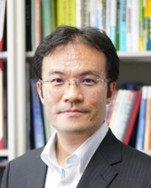
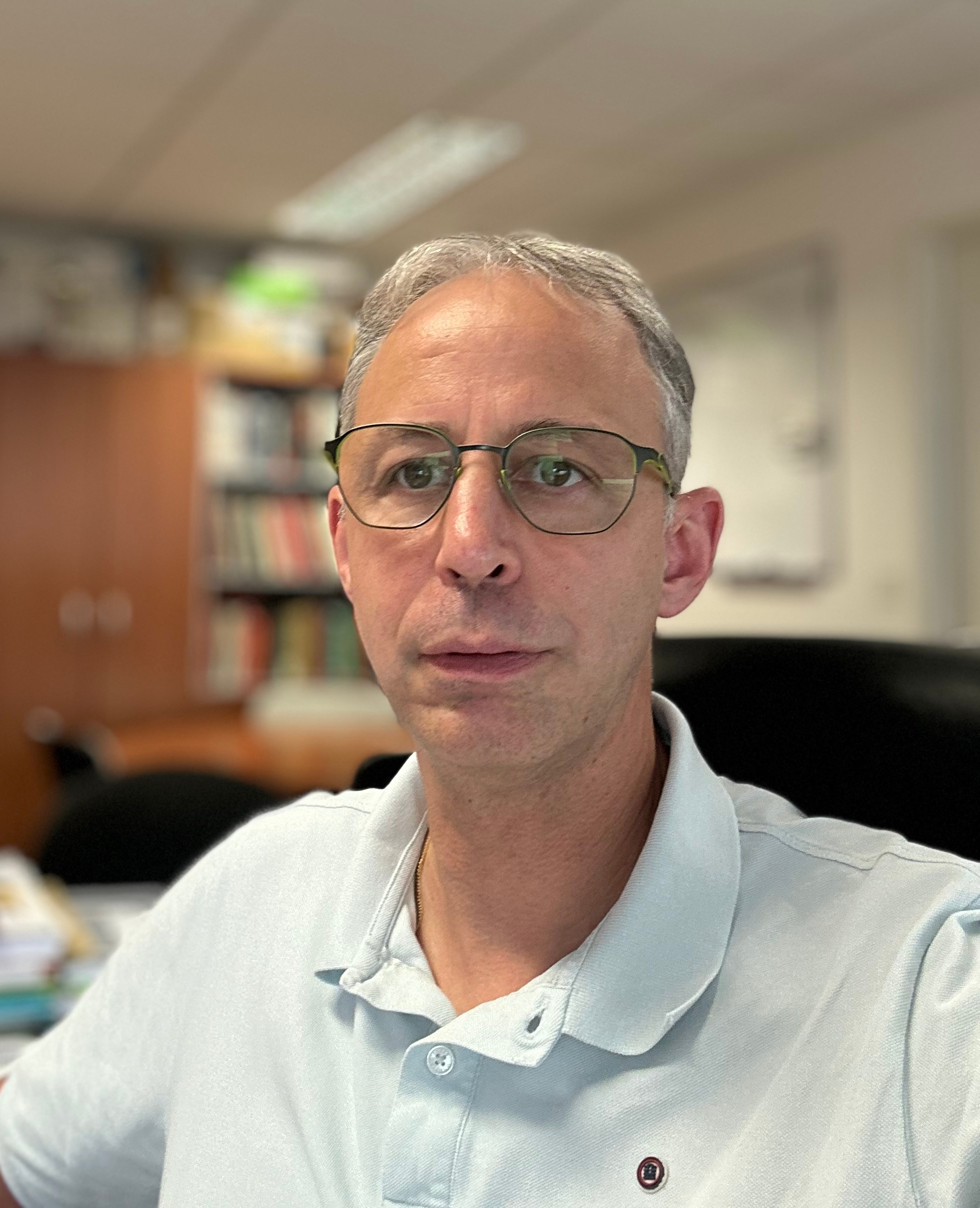
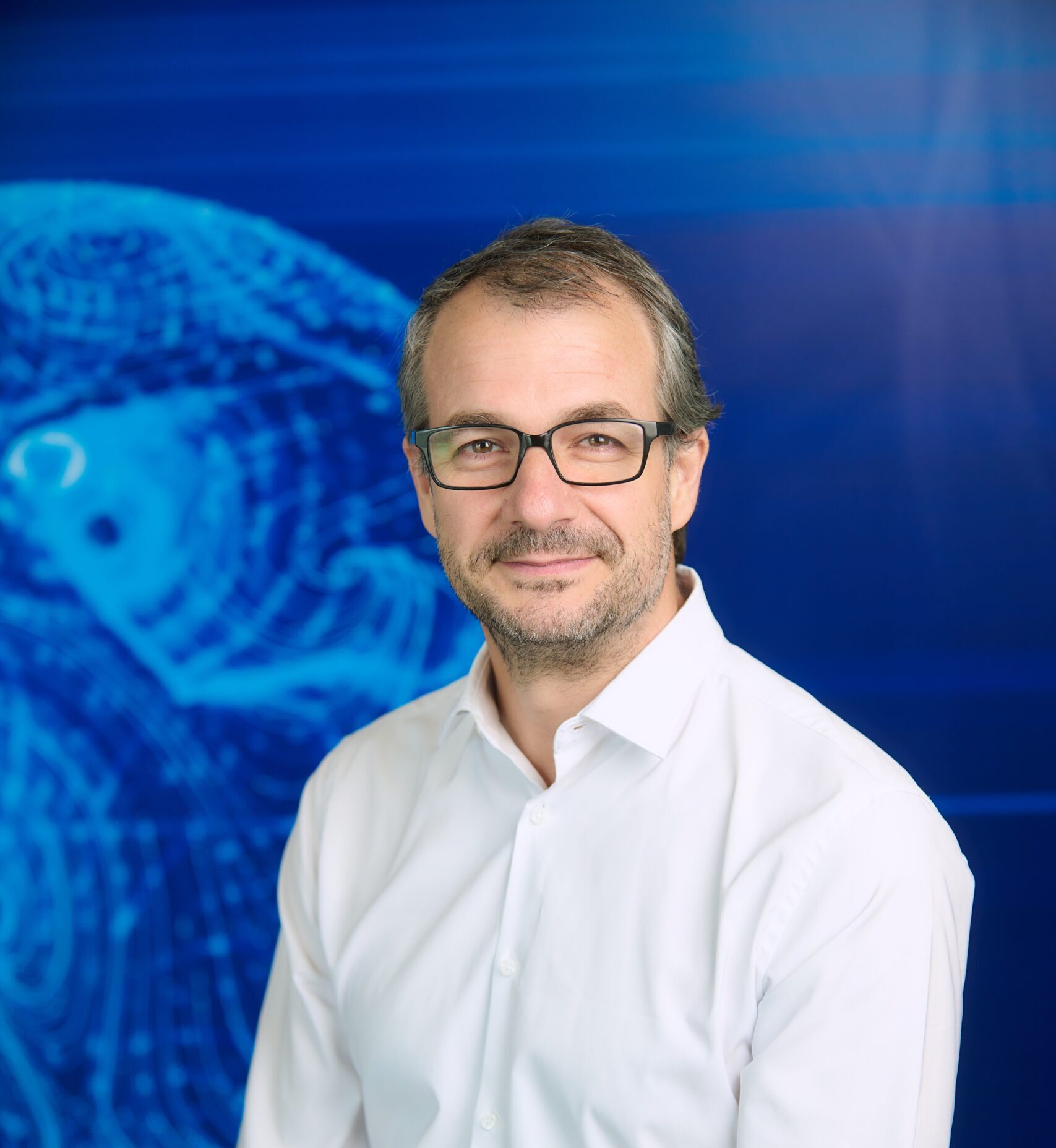
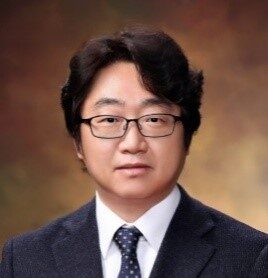
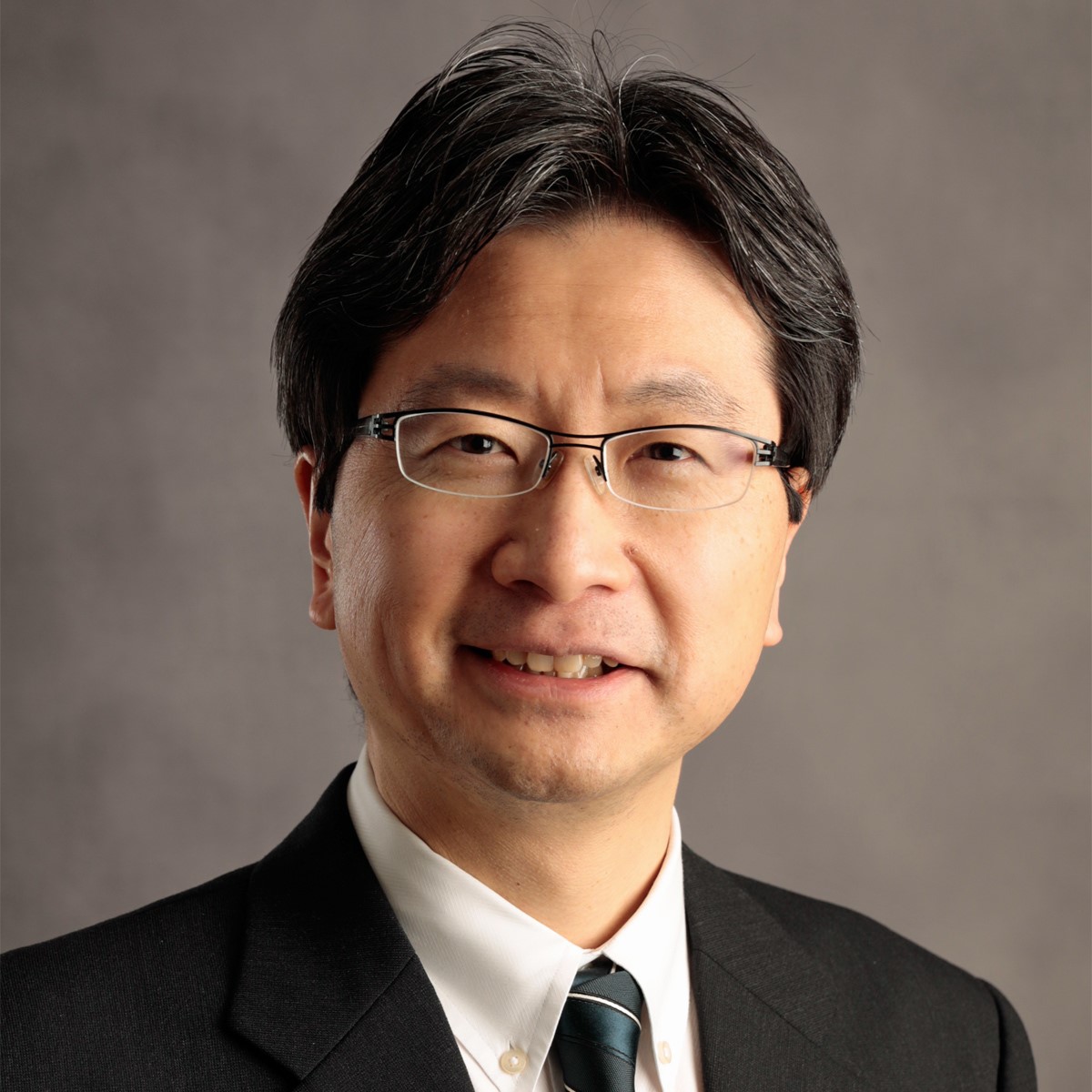
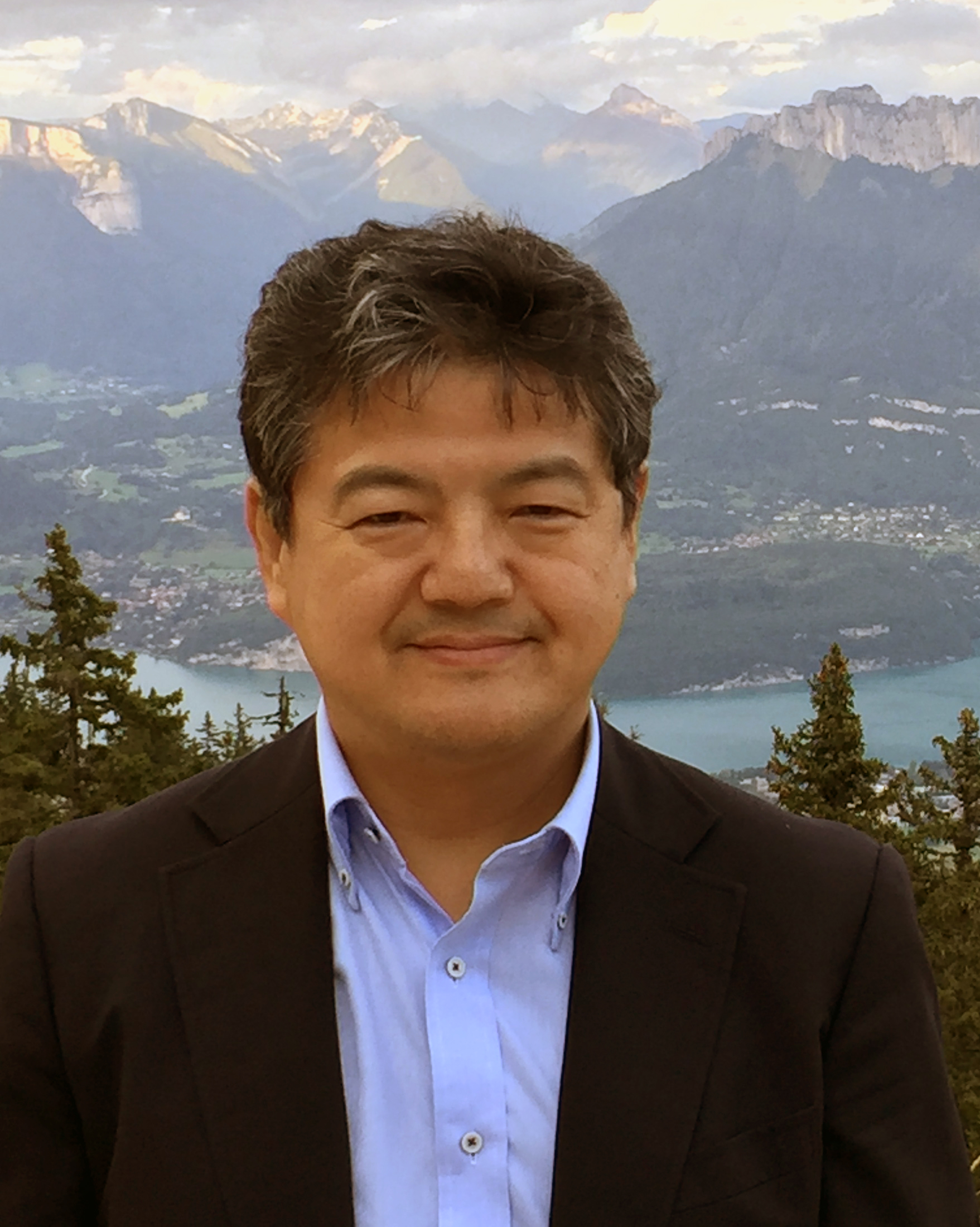
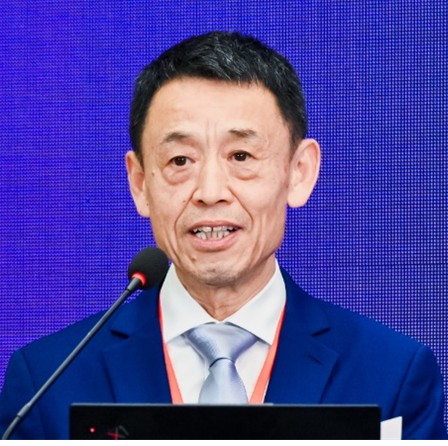
The Nukiyama Memorial Award has been established by the Heat Transfer Society of Japan to commemorate outstanding contributions by Shiro Nukiyama as an excellent heat transfer scientist. Nukiyama addressed the challenges of boiling phenomena and published a pioneering paper which clarified these phenomena in the form of the Nukiyama curve (boiling curve). This epoch-making work was done in 1930s, when heat transfer research was in an early stage and Nukiyama himself was young, under forty years old. The Nukiyama Memorial Award is bestowed to a scientist under/ about fifty years of age, once every two years in the field of Thermal Science and Engineering. The recipient of the Nukiyama Memorial Award 2026 is Prof. Masahiro Nomura.
Abstract
Heat conduction control in a semiconductor membrane by nanostructuring will be discussed from the viewpoint of photonics. We classify the systems by similarity, difference, and hybridization of photons and phonons, and explain characteristic thermal phonon transport in each system. Prospects for thermal phonon engineering will be also discussed.
Light propagation in ray optics and thermal phonon transport at the nanoscale are similar due to ballisticity. The characteristic propagation of light and mechanical vibrations in band-engineered periodic structures, i.e. photonic and phononic crystals, derives from the wave properties of electromagnetic and elastic waves. Some recent work on the control of heat conduction by well-designed nanostructures has been taken up to discuss how we can design nanostructures to control heat transport more effectively by considering the similarity and difference of photons and thermal phonons [1]. The ballistic behavior of phonons in their mean free path (MFP) allows advanced heat flux control such as directional heat flux and heat focusing. This thermal phonon behavior is similar to ray optics and is therefore named “Ray phononics” [2]. The selection of phonon k-vector direction by aligned nanoholes formed in a membrane result in the formation of directional heat flux. The directional heat flux is maintained within the MFP of thermal phonons. The interaction and hybridization of photons and phonons are also interesting and will lead to new functionality. Phonons can control the emission of a single photon from a quantum dot embedded in a high-Q optical micro/nanocavity [3, 4].
Regarding hybridization, phonons can travel faster by four orders of magnitude by shaking hands with photons: forming surface phonon polaritons (SPhPs) leading to the enhancement of thermal conduction in thin dielectric membranes. This dramatic change in thermal energy transport property by SPhPs opens new possibilities for thermal management in thin membranes [5]. The hydrodynamic behavior of phonons is an example of a different transport phenomenon that is a phenomenon rarely observed in optics. The collective behavior, which exists in electronic and phononic systems due to interaction, of phonons provides interesting thermal transport such as phonon Poiseuille flow [6]. We demonstrate the first thermal Tesla valve [7], thermal diode, as an example of applications.
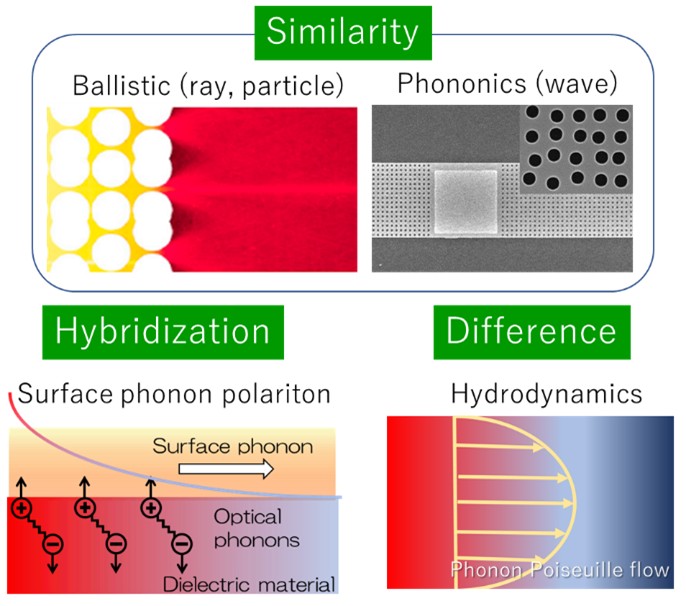
Figure 1. Discusses thermal phonon transport, categorizing photon and phonon similarities, differences, and hybridization.
References
[1] M. Nomura, et al., Mater. Today Phys. 22, 100613 (2022). [Invited Review paper]
[2] R. Anufriev and M. Nomura, Mater. Today Phys. 15, 100272 (2020).
[3] M. Nomura, Nat. Nanotechnol., 11, 496 (2016).
[4] M. Nomura, et al., Nat. Phys. 6, 279 (2010).
[5] Y. Wu, et al., Sci. Adv. 6, eabb4461 (2020).
[6] X. Huang, et al., Nat. Commun., 14, 2044 (2023).
[7] X. Huang, et al. Nature 634, 1086 (2024).
Short Bio
Dr. Masahiro Nomura was born in Tokyo, Japan in 1977. He obtained his BE, ME, and Ph.D. degrees from The University of Tokyo in 2000, 2002, and 2005, respectively. After serving as a JSPS postdoctoral fellow, he joined the Institute of Industrial Science at The University of Tokyo, where he served as Project Research Associate (2005-2010) and Associate Professor (2010-2022), and currently serves as Professor (2022-present). He served as Deputy Director of the institute (2023-2024), Advisor to the President of The University of Tokyo (2024-2026) and currently serves as Special Advisor to the President of The University of Tokyo.
Since 2010, Dr. Nomura has founded and led the Integrated Quantum Electronics Lab, pursuing interdisciplinary quantum transport physics and device applications including phonon/heat transfer phenomena at nano- and microscales, thermoelectric energy harvesting, and semiconductor chip cooling. Making a bold transition from quantum electronics to thermal engineering, he has established himself as a world-leading scholar in phonon engineering within 15 years. He serves as Director of the LIMMS/CNRS-IIS International Research Laboratory and leads the Phonon Engineering Research Community of The Japan Society of Applied Physics with over 300 members. He serves as councilor of Thermoelectrics Society of Japan and holds editorial positions at Applied Physics Express, Japanese Journal of Applied Physics, and ThermoX.
His contributions span fundamental physics to practical applications. By introducing his original concept “From photonics to phononics,” he has created new paradigms in thermal science. His work includes establishing Ray Phononics, demonstrating directional heat flow control through ballistic phonon transport, realizing phonon hydrodynamic behavior in graphite leading to the thermal Tesla valve, and achieving enhanced thermal transport via surface phonon-polaritons. These achievements have redefined understanding of heat transfer at nano- to microscales. He has published over 180 refereed journal papers with more than 6,000 citations and an h-index of 40 (Web of Science), authored 10 books, and delivered over 100 plenary and invited talks at international conferences. His research excellence is recognized through 20 prestigious awards, including the 16th JSPS Prize (2019) recognizing him among the top 25 Japanese researchers under 45, the German Innovation Award Gottfried Wagener Prize (2018), and the Docomo Mobile Science Award (2024).
Through visionary leadership in integrating photonics, electronics, fluid dynamics, and mathematics into thermal engineering, Dr. Nomura has advanced fundamental understanding while developing transformative technologies. His work bridges quantum phenomena and macroscopic applications, establishing new frontiers that will contribute to shaping the future of thermal science and engineering.